
Our Blogs
-
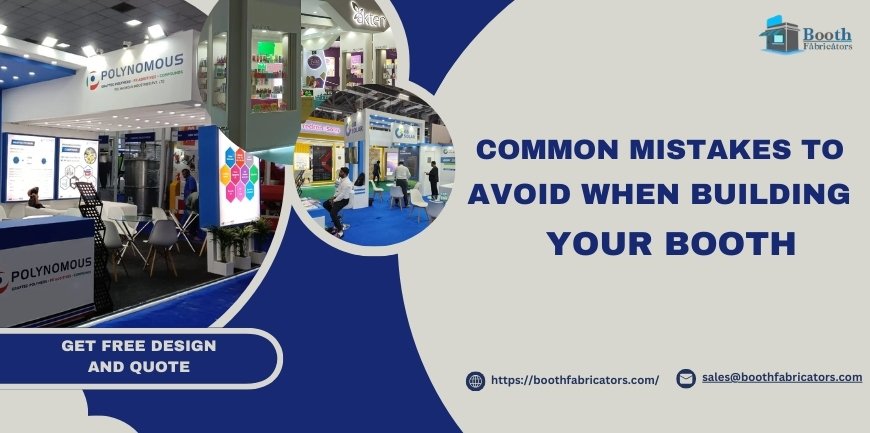
Common Mistakes to Avoid
Building a booth that stands out isn’t just about flashy graphics...
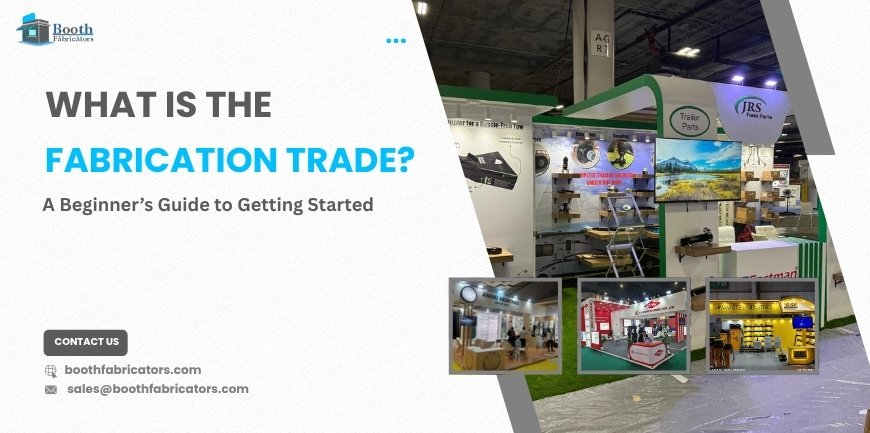
What Is the Fabrication Trade? A Beginner’s Guide to Getting Started
Trade shows continue to be one of the most effective ways to highlight your brand, introduce new products, and build direct, in-person connections with potential clients. But standing out on a crowded show floor takes more than a few pop-up banners and a folding table. That’s where the trade show fabrication and trade show exhibit fabrication industry comes in.
If you’re new to this world, this guide will break down exactly what the fabrication trade is, how it applies to trade shows, and how you can use it to create an eye-catching booth that attracts visitors and leaves a memorable impact. Whether you’re a small business, a startup, or a seasoned exhibitor looking to up your game, this beginner’s guide will give you the confidence to get started — and do it right.
What Is the Fabrication Trade?
At its core, the fabrication trade involves taking raw materials and transforming them into finished products or structures through processes like cutting, bending, welding, and assembling. In everyday industries, fabrication is used for everything from constructing buildings to manufacturing vehicles or custom machinery.
In the context of trade show fabrication, the term takes on a more specialized meaning. Here, fabrication is all about creating custom booths, displays, kiosks, and exhibition structures that help brands stand out at events. This includes everything from building massive double-decker booths for big expos to crafting sleek portable exhibits for smaller shows.
For trade show exhibitors, understanding fabrication means knowing how your ideas can be turned into physical structures that align with your branding, fit your budget, and can be transported and assembled efficiently. It’s both an art and a science — balancing design, engineering, and practical logistics.
Key Components of Trade Show Fabrication
A lot goes into creating a successful trade show booth. Let’s break down the key elements of the trade show fabrication process:
1. Materials Used
The choice of materials will define your booth’s look, feel, durability, and cost. Common materials include:
1.) Aluminum and Steel: Strong, lightweight frames for structural support.
2.) Wood and Plywood: Ideal for custom shapes, walls, and high-end finishes.
3.) Acrylic and Glass: Ideal for sleek presentations and a contemporary look.
4.) Fabric and Graphics: Tension fabric displays are lightweight and simple to transport.
5.) LEDs and Electronics: Integrated lighting and digital screens.
2. Custom vs. Modular Fabrication
1.) Custom Fabrication: Fully unique designs built from scratch. Perfect if you want a one-of-a-kind booth.
2.) Modular Fabrication: Uses standardized parts that can be reconfigured for different shows. Budget-friendly and reusable.
3. The Design-to-Build Process
A typical trade show exhibit fabrication project moves through several phases:
1.) Concept & Design: Designers create detailed renderings and 3D models.
2.) Engineering: Fabricators and engineers finalize specs to ensure structures are safe and practical.
3.) Production: Skilled craftsmen cut, weld, assemble, and finish the booth components.
4.) Pre-Staging: The booth is often test-built in the shop to ensure everything fits perfectly.
5.) Delivery & Installation: Pieces are shipped to the venue and assembled on-site by the fabrication team.
Why Trade Show Exhibit Fabrication Matters
Your booth is more than just a physical structure — it’s an extension of your brand. Poorly built booths can lead to awkward layouts, safety hazards, or branding that falls flat. High-quality trade show exhibit fabrication ensures your booth:
1.) Tells your story: Custom structures and graphics communicate your brand’s identity instantly.
2.) Draws people in: Eye-catching design and sturdy construction attract more visitors.
3.) Delivers ROI: A well-made booth can be reused and reconfigured for multiple shows, saving money long-term.
4.) Sets you apart: In a sea of cookie-cutter displays, custom fabrication helps you stand out.
Example: Think about major brands like Tesla or Samsung. Their booths are never off-the-shelf; they’re built to wow. Even for smaller businesses, investing in proper fabrication can help you punch above your weight class.
Common DIY Pitfalls
- 1.) Using flimsy materials that don’t survive shipping
- 2.)Poor branding alignment (colors, shapes, messaging)
- 3.) Hard-to-assemble structures that waste time on show day
Professional fabrication avoids these headaches — and protects your investment.
Getting Started: Planning for Tradeshow Booth Fabrication
Before you dive into building your booth, smart planning is key. Here’s what you need to know to get started with tradeshow booth fabrication and choose the right exhibition booth fabricator for your needs.
1. Set a Realistic Budget
Custom fabrication isn’t cheap, but it’s an investment that pays off. Typical costs include:
- 1.) Design fees: Concept drawings, 3D renderings, engineering.
- 2.) Materials and labor: Premium materials and intricate designs can raise overall costs.
- 3.) Transportation: Shipping large components to and from venues.
- 4.) Installation and dismantle: On-site labor fees.
Tip: Plan for 10–15% extra in case of last-minute changes or rush fees.
2. Choose the Right Exhibition Booth Fabricator
Your fabricator is more than a vendor — they’re the partner who transforms your vision into reality:
- 1.) Has a strong portfolio of trade show booths
- 2.) Offers end-to-end services (design, build, install)
- 3.) Provides clear timelines and transparent pricing
- 4.) Has experience with shows in your industry
- 5.) Can handle storage, maintenance, and refurbishing if needed
3. Ask the Right Questions
When interviewing fabricators, ask:
- 1.) Can you show examples of similar projects?
- 2.) What’s your typical timeline for design and build?
- 3.) Do you handle logistics and on-site assembly?
- 4.) How do you manage last-minute changes or repairs?
- 5.) Do you offer storage solutions between shows?
4. Plan Ahead
Great booths aren’t built overnight. Ideally, start the design and fabrication process 4–6 months before your show date. This ensures enough time for revisions, production, shipping, and test builds.
Tips for a Successful Fabrication Project
Even with the best exhibition booth fabricator, the final result depends on smooth collaboration and smart decision-making. Here are some proven tips:
Work Closely with Designers and Builders
- 1.) Communicate your goals clearly. Bring mood boards, branding guidelines, and reference photos.
- 2.) Be open to expert advice. Fabricators know which ideas are practical — and which aren’t.
- 3.) Approve detailed drawings and mock-ups before production starts.
2. Balance Creativity and Practicality
- Cool designs are great, but think about functionality:
- 1.) Will it fit in your allotted space?
- 2.) Is it easy to assemble on-site?
- 3.) Can it withstand transport and multiple setups?
- Factor in show regulations for height, fire safety, and ADA compliance.
3. Plan for Transportation and Installation
- 1.) Shipping large booths can be expensive. Modular or lightweight systems can cut costs.
- 2.) Confirm who handles on-site assembly and breakdown — you don’t want surprises on the show floor.
4. Consider Sustainability
- 1.) Many brands now prioritize eco-friendly materials and reusable structures.
- 2.) Sustainable booths not only save money but also appeal to eco-conscious attendees.
Trends in Exhibition Booth Fabrication
Like any industry, exhibition booth fabrication evolves with new technologies and trends. Staying current can help you wow your audience and stay ahead of competitors.
Popular Trends to Watch:
- 1.) Modular & Reconfigurable Booths: Build once, reconfigure for different shows and spaces.
- 2.) Sustainable Materials: Recycled panels, low-VOC paints, and LED lighting.
- 3.) Digital Integration: Touchscreens, AR/VR, and interactive product demos.
- 4.) Immersive Experiences: Themed environments, sensory design, and custom flooring.
- 5.) Lightweight Builds: Help cut shipping expenses and minimize your carbon footprint.
If you want your booth to stand out, ask your fabricator how they can integrate these trends without blowing your budget.
Conclusion
At the end of the day, custom booth fabrication is one of the smartest investments you can make for your trade show success. A well-fabricated booth sets the stage for your brand to shine, attracts your target audience, and delivers a memorable experience that drives leads and sales.
Make sure you invest time in careful planning before your next show. Partner with an experienced exhibition booth fabrication company that understands your goals, budget, and industry. With the right team, you can transform your vision into a physical space that works as hard as you do.
Ready to get started? Reach out to reputable fabricators, compare their work, and don’t be afraid to ask questions. The more you know, the better equipped you’ll be to make the most of your investment.