- 15+ Years Experience
- 700+ Brands
- India | UAE | Europe | USA
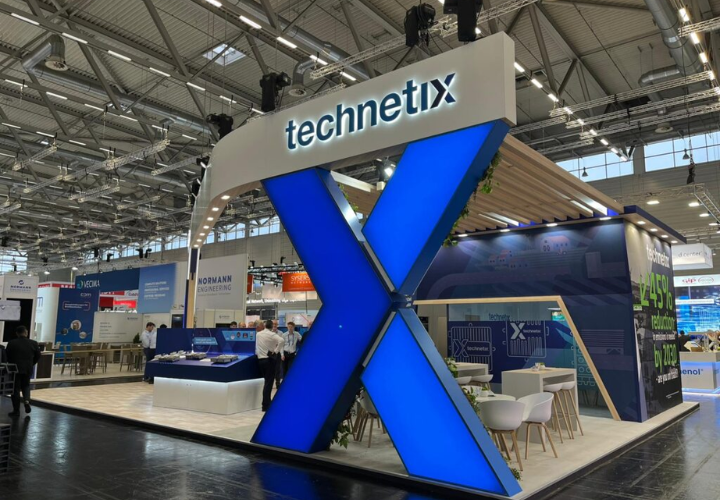
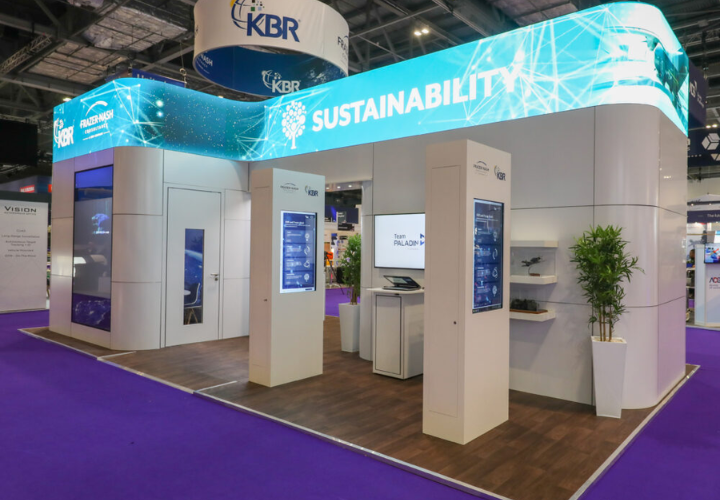
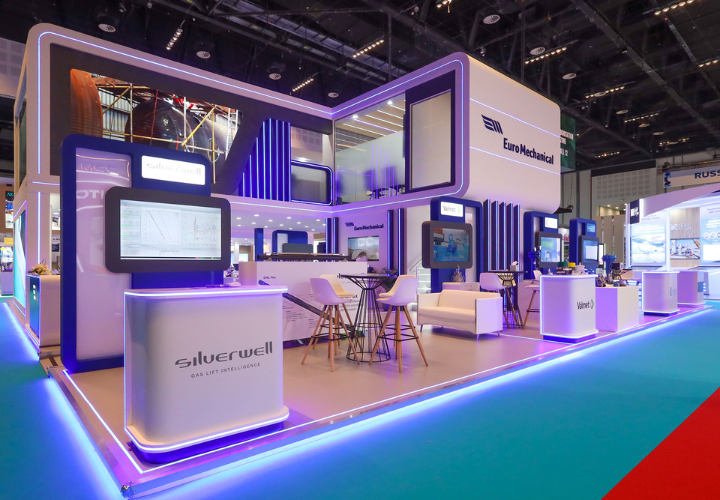
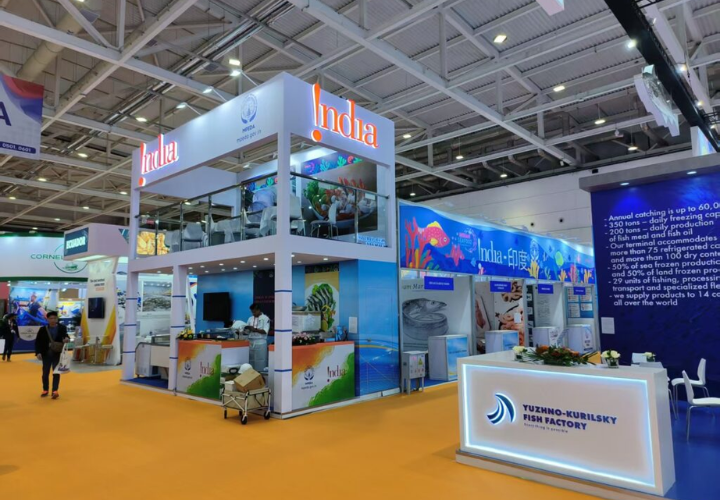
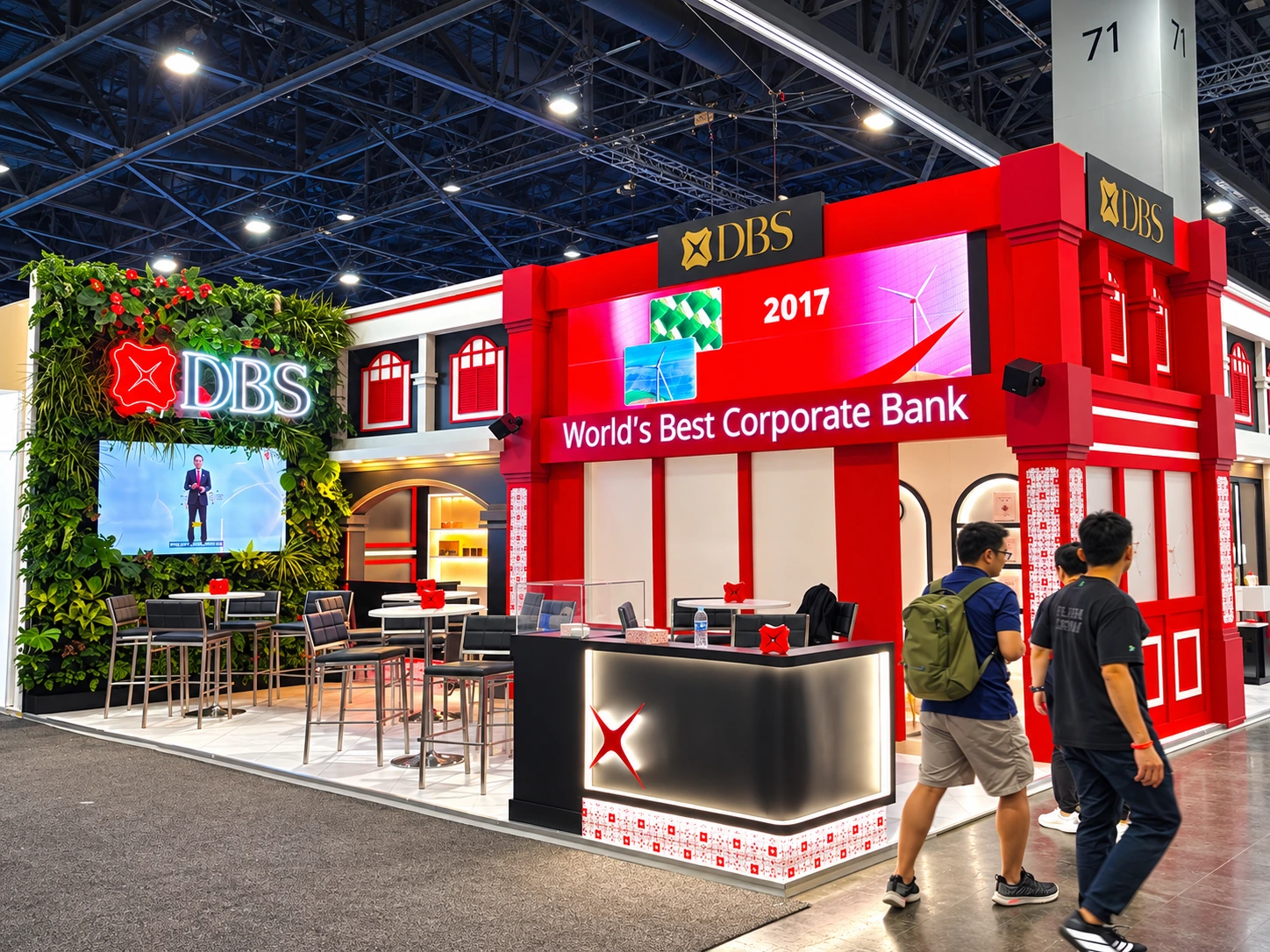
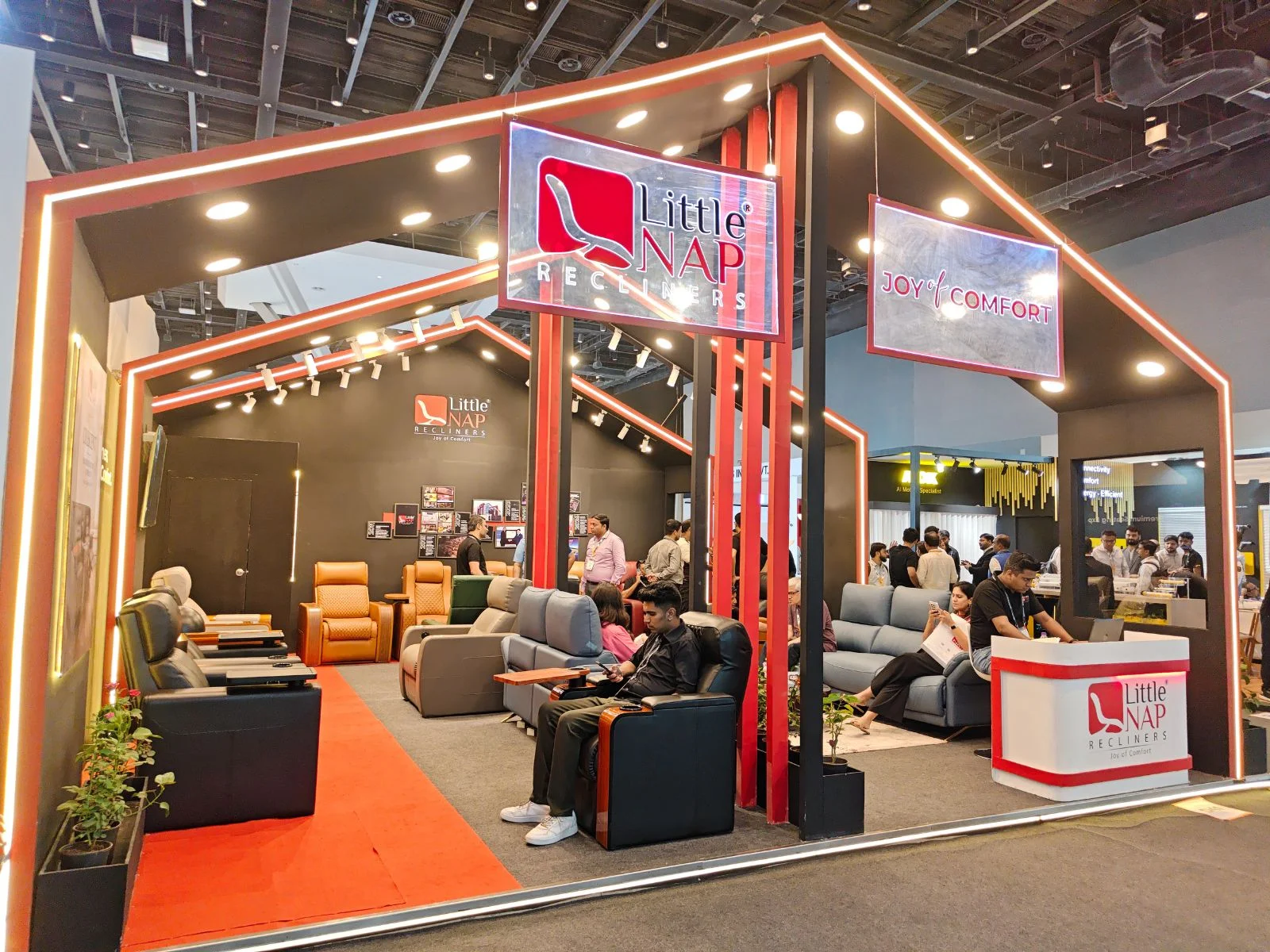
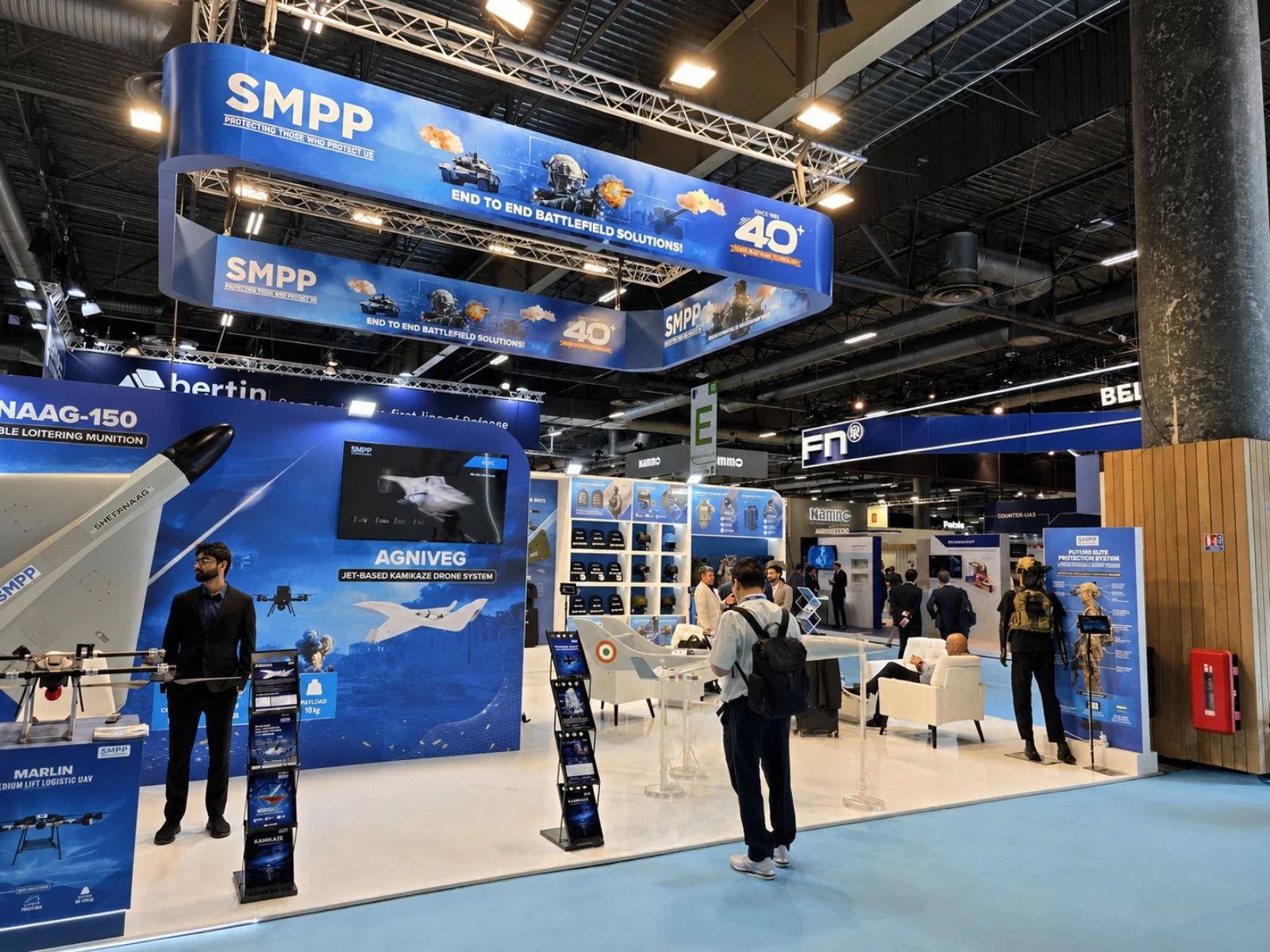
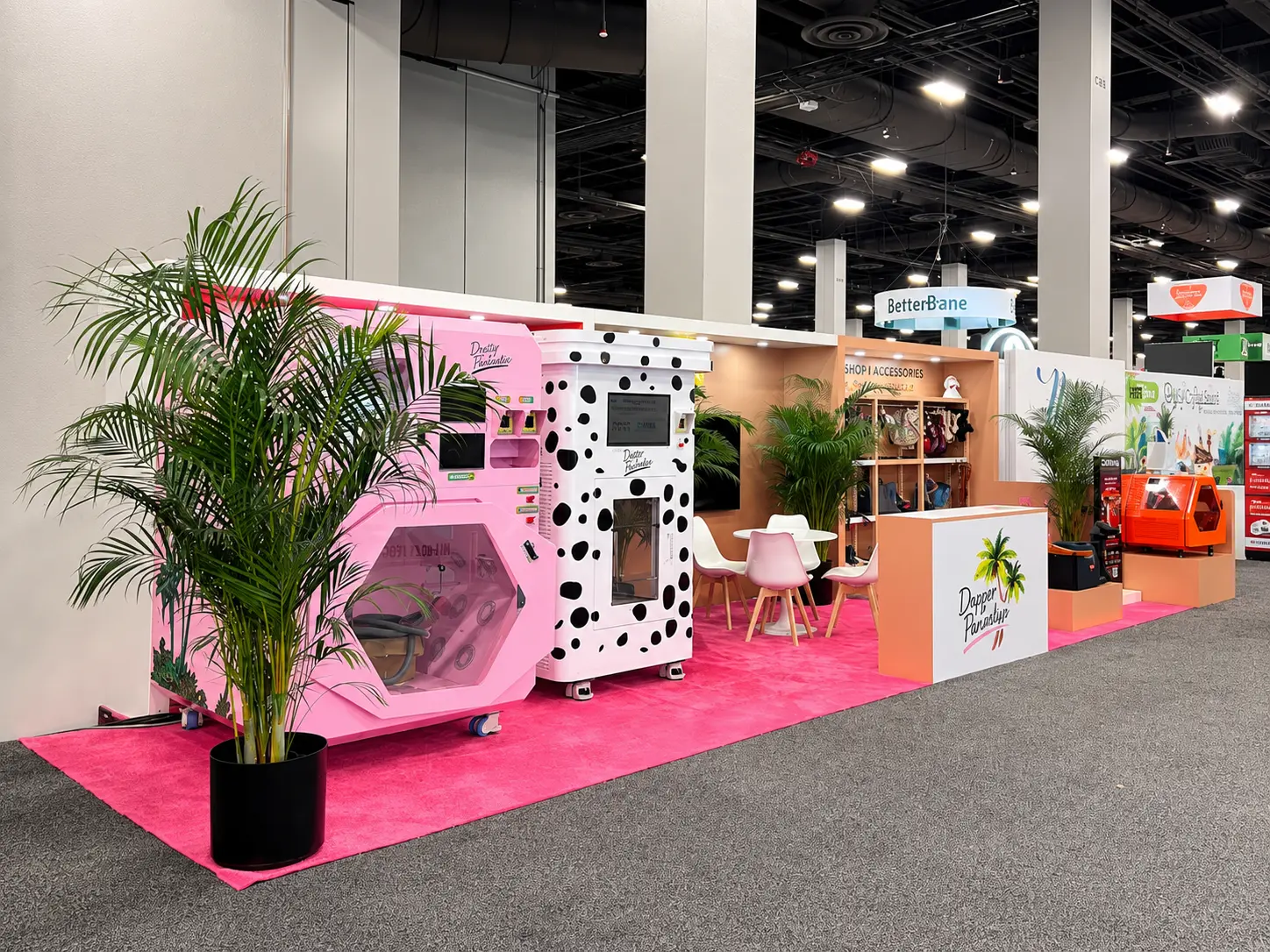
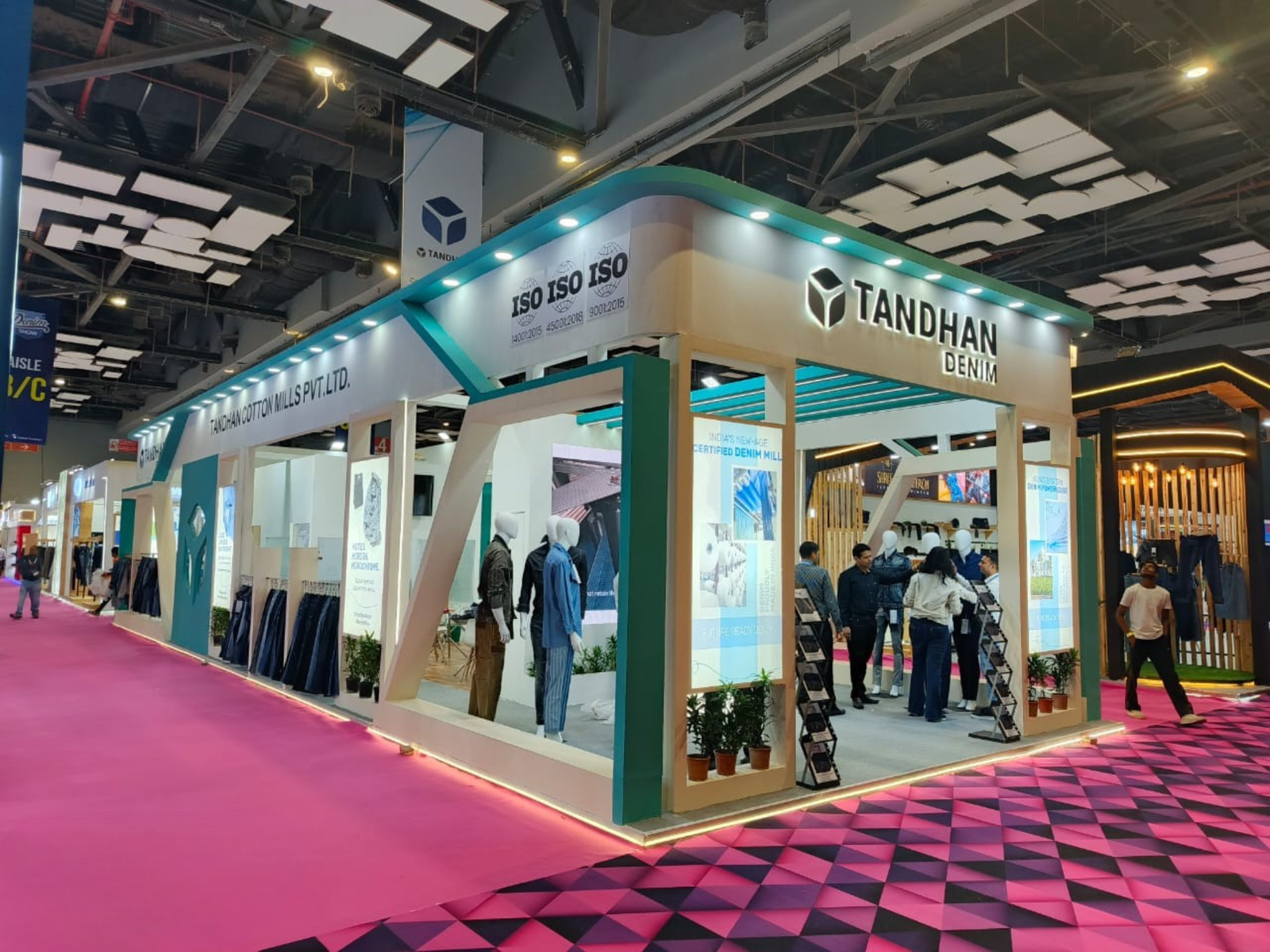
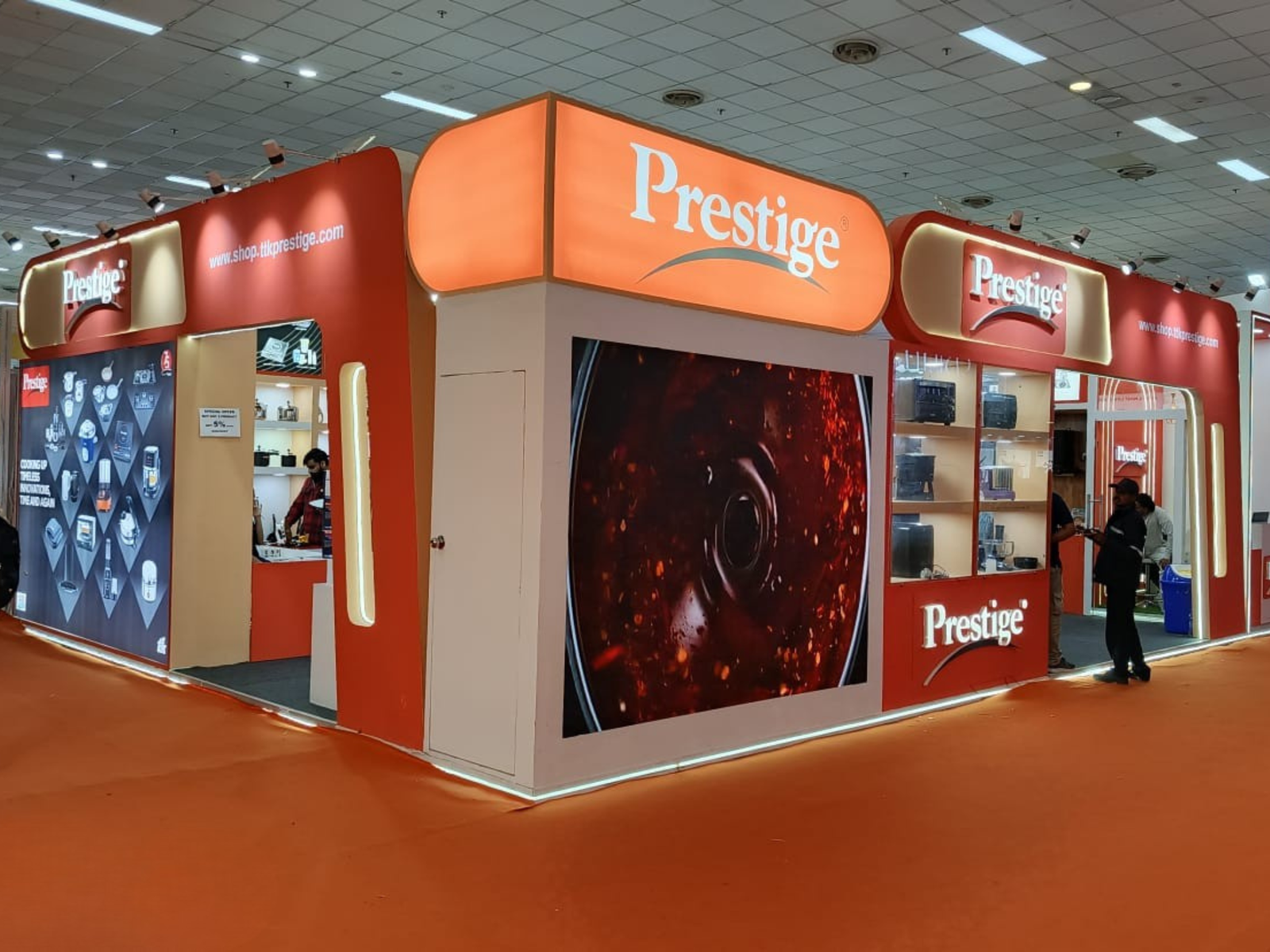
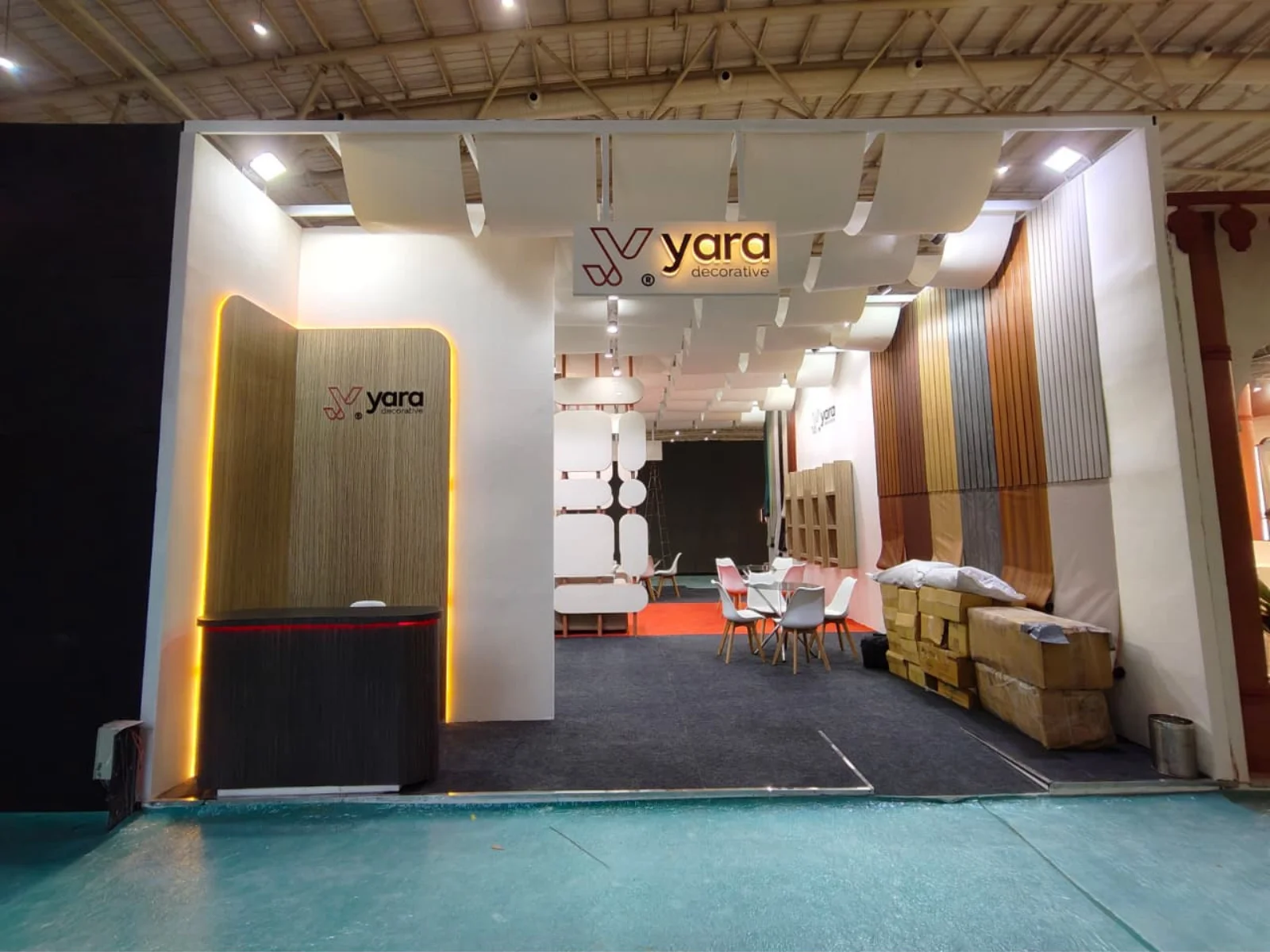
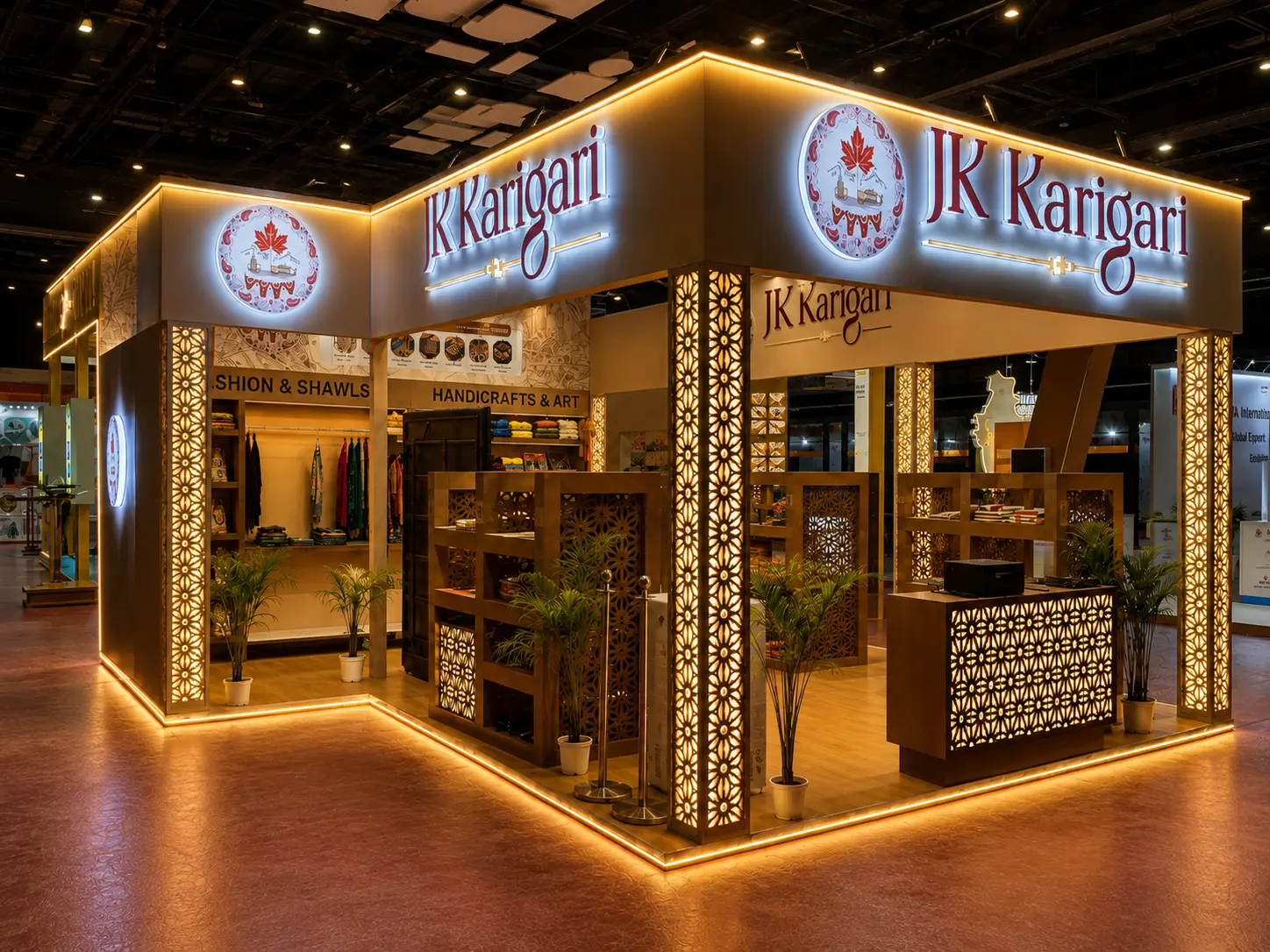
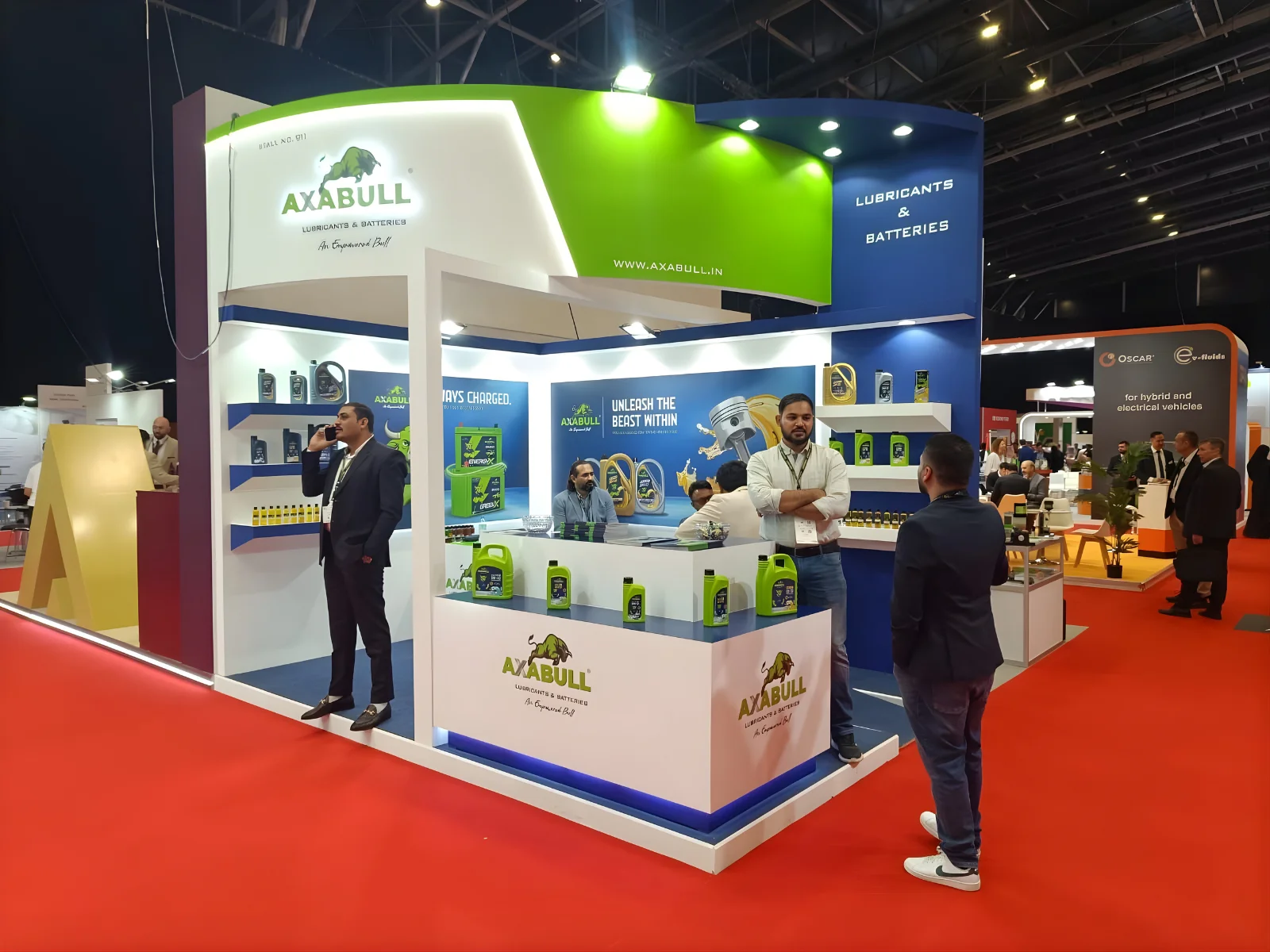
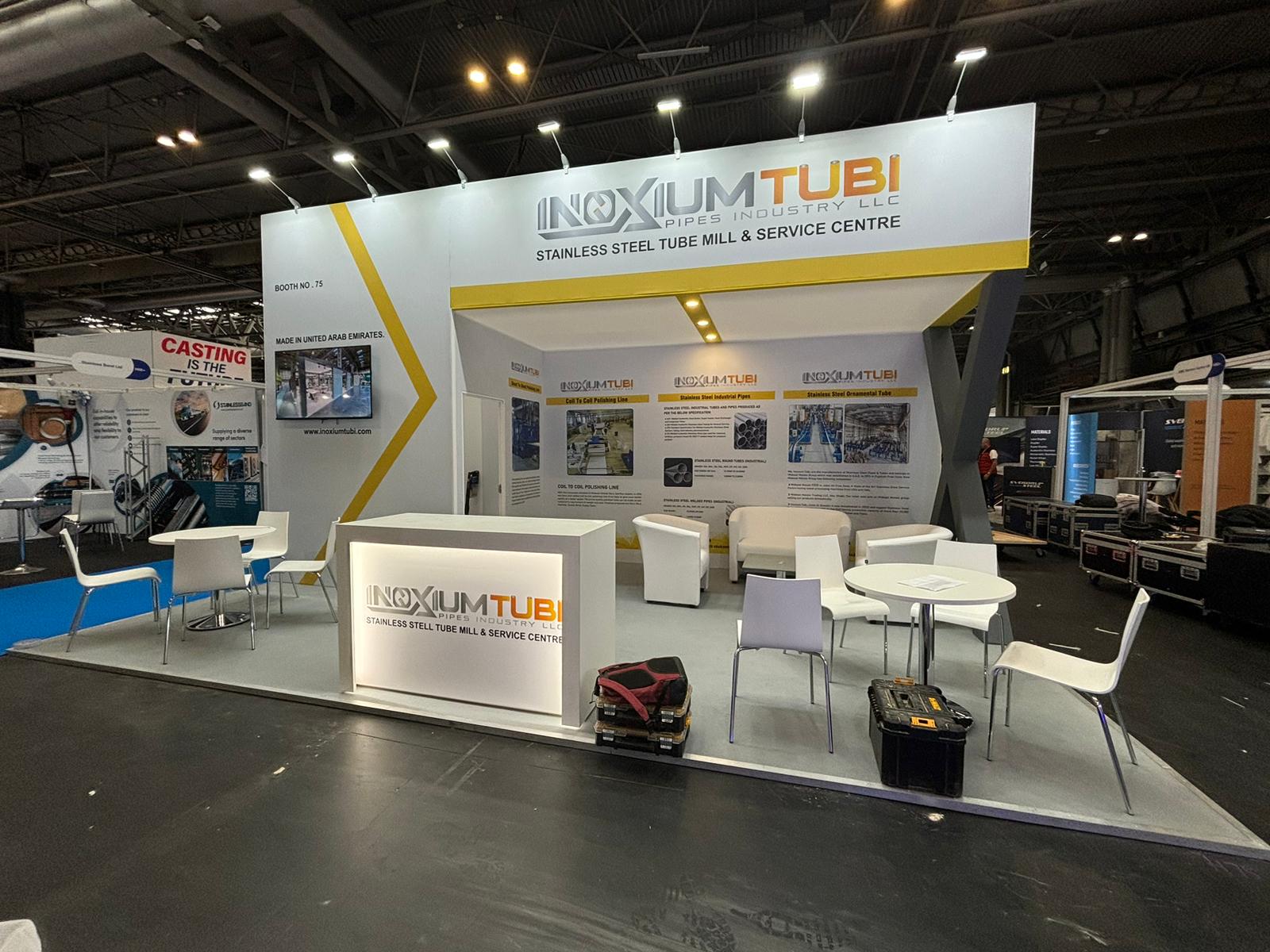
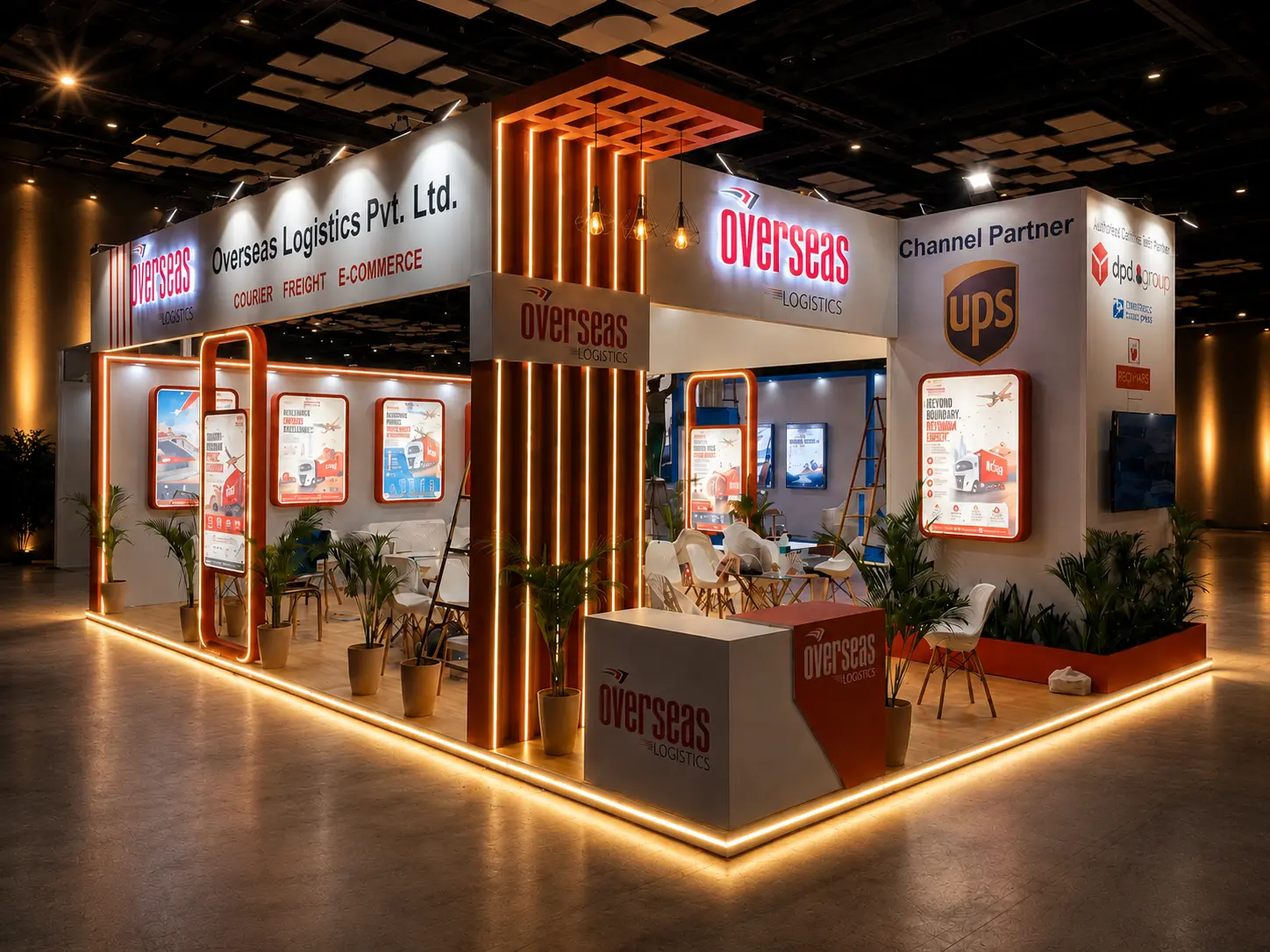
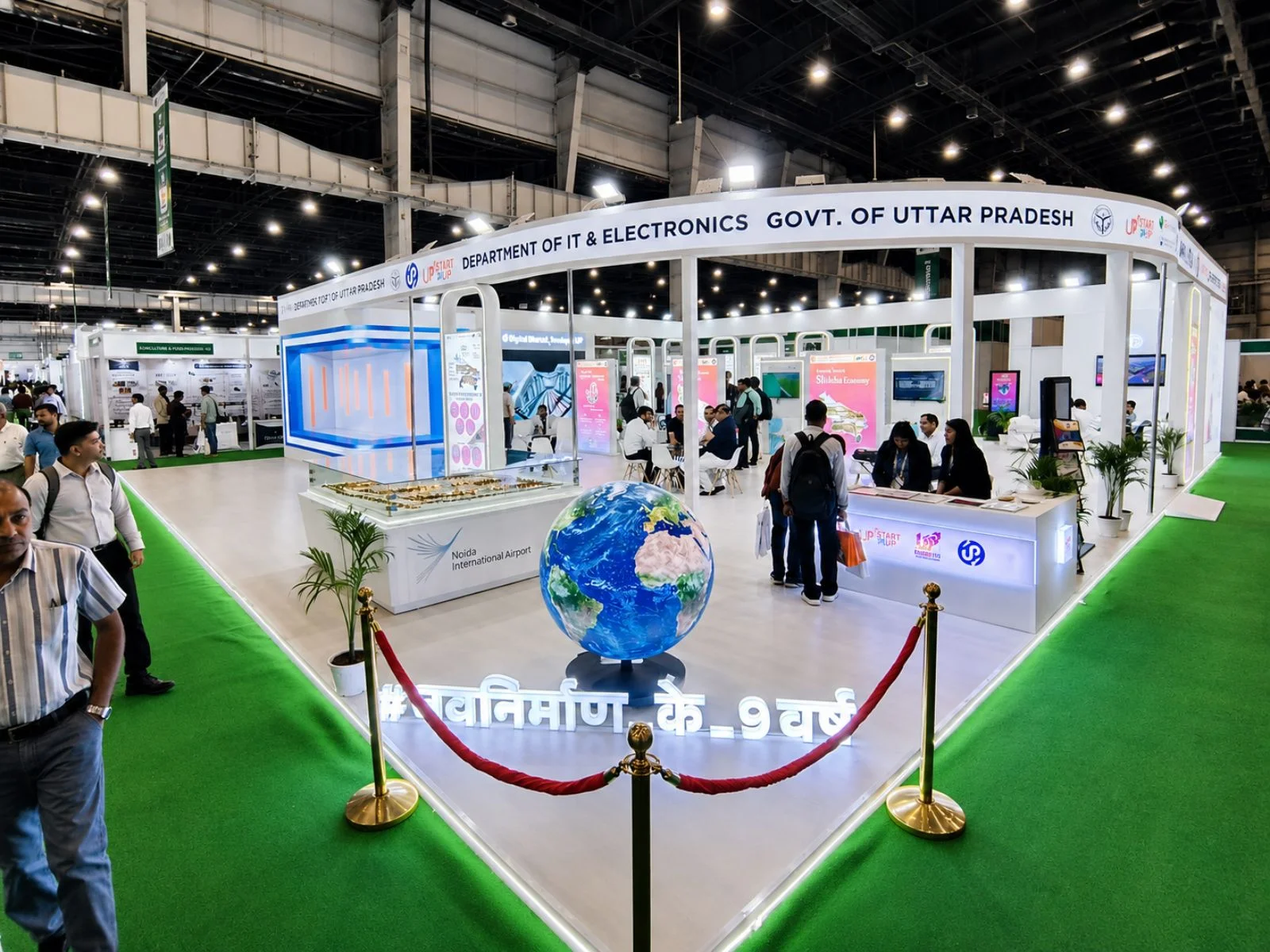
Booth Fabricators designs, fabricates, and installs exhibition stands for exhibitors showing at Abu Dhabi trade shows, including events hosted at ADNEC Centre Abu Dhabi. One in-house team handles your 3D concept, production, freight, and on-site installation, so your booth is ready before the show floor opens.
View Our Profile
An exhibitor preparing for a show at ADNEC Centre Abu Dhabi needs more than an attractive 3D concept. The stand has to fit the allocated space, meet the event's technical requirements, clear freight and venue logistics, and be standing and finished before the doors open to visitors.
Finding the right exhibition stand builder in Abu Dhabi means finding a team that can carry a design through every one of those stages without losing time or quality along the way. This page walks through what that process actually involves, what affects cost, and what to check before signing a contract.
Read MoreFrom compact rental booths to premium custom-built stands, our team designs, fabricates, ships, installs, and hands over exhibition spaces that look sharp on the floor and work hard for your brand.
An exhibition stand builder in Abu Dhabi manages the full process from the initial brief to the final teardown. This includes reviewing your floor plan and the event's exhibitor manual, developing the stand concept, producing 3D visuals and technical drawings, selecting materials, and fabricating the complete structure.
The contractor may also coordinate booth graphics, lighting, audiovisual equipment, venue transportation, on-site installation, quality checks, final handover, and dismantling after the exhibition closes.
Not every company covers the complete process. A design agency may stop after preparing the 3D concept and hand fabrication to another supplier. A basic fabricator may construct the stand according to drawings but leave design, logistics, and installation to the exhibitor.
A turnkey exhibition stand contractor manages the entire sequence under one contract. This reduces unnecessary handovers and lowers the number of points at which the project schedule can break down.
Abu Dhabi hosts major international exhibitions across energy, defence, security, industrial technology, and sustainability. These events attract exhibitors, industry professionals, government delegations, buyers, and decision-makers from the UAE and international markets.
ADIPEC 2026, scheduled for 2–5 November 2026, brings together organisations from across the energy industry. The programme includes multiple conferences, technical sessions, exhibiting companies, and international country pavilions.
The World Future Energy Summit, also hosted in Abu Dhabi, attracts thousands of visitors and hundreds of exhibitors working across clean energy, sustainability, water, waste management, smart cities, and environmental technology.
For companies operating in these industries, exhibiting in Abu Dhabi is often a planned part of their annual marketing and business-development calendar rather than a one-time activity.
ADNEC Centre Abu Dhabi is the city's main exhibition and conference venue. It provides extensive indoor and outdoor event space through interconnected exhibition halls designed to accommodate trade shows, conferences, government events, product demonstrations, and large international exhibitions.
Hall dimensions and layouts vary. For example, some halls can be divided into smaller event areas, while others support larger exhibition structures, machinery displays, hospitality zones, and multi-brand pavilions.
Marina Hall adds waterside exhibition space and connects with the main venue through a footbridge. This can be particularly useful for events involving marine equipment, boats, defence systems, or on-water demonstrations.
Technical conditions are not the same for every exhibition. Permitted stand height, open-side requirements, rigging allowances, fire-safety rules, electrical specifications, and approved materials can change depending on the organiser, event, and assigned hall.
Exhibitors should therefore review the official exhibitor manual and obtain the required technical approvals before booth fabrication begins.
Exhibitors in Abu Dhabi can choose from custom, modular, double-decker, island, peninsula, pavilion, and product-demonstration stand formats. The right format depends on the available booth space, event regulations, visitor experience, product type, and project budget.
The process runs in a fixed sequence, with each stage defining what you provide, what the contractor manages, and what may need organiser sign-off:
There's no fixed legal deadline for booking — the right lead time depends on your stand's size and complexity. A small modular booth generally needs far less runway than a double-decker structure, a stand with imported equipment, or one requiring multiple layers of engineering and organiser approval. Larger custom builds and pavilions should generally start earlier than compact modular booths, factoring in your own feedback cycles, the contractor's production schedule, and any public holidays that fall inside the build window. Treat these as planning ranges, not fixed venue rules — your contractor should confirm a realistic timeline against your specific event's build-up period.
A reliable quotation can't be calculated from floor area alone. Cost is shaped by stand dimensions and number of open sides, structural height, custom shapes versus standard formats, material selection, flooring, lighting, graphics, LED screens and AV systems, rigging, custom furniture, hospitality or storage space, machinery or product display needs, double-decker engineering, freight, installation schedule, venue services, labour, whether the stand is built for reuse, and dismantling and waste handling. A contractor needs most of this information before a quotation means anything — a number given without it is a placeholder, not a price.
Have this ready before requesting a quote: exhibition name and official event website, event dates, venue, hall number, stand number, booth dimensions, number of open sides, floor plan, exhibitor manual, maximum permitted height, brand guidelines and logo files, product dimensions and weight, visitor objectives, meeting-room and storage requirements, hospitality and AV needs, furniture requirements, reference images, preferred materials, sustainability goals, budget range, design approval date, and an on-site contact. The more of this you can supply up front, the faster and more accurate the quote.
Good layout starts with clear brand visibility from the aisle, open entry points, and an unblocked path through the space. Product hierarchy should guide the eye before a visitor even stops walking. Add comfortable meeting areas, hidden storage, and clear staff circulation so the space doesn't feel congested once it's busy. Lighting and any digital displays should support the message, not compete with it. None of this guarantees leads or sales on its own — layout supports your commercial objective; it doesn't replace it.
Reusable structural systems, modular components, and replaceable graphics panels cut down on material waste across multiple events. Rental furniture, efficient material selection, and LED lighting reduce both cost and environmental footprint. Designing with dismantling in mind — rather than treating it as an afterthought — makes material recovery realistic instead of theoretical. It's worth noting that ADNEC itself has been investing in this direction at a venue level: it's the first large-scale event venue in the Middle East to run entirely on clean energy, and its rooftop solar project is projected to supply close to a third of its annual electricity needs. A single recyclable material doesn't make an entire stand sustainable — real impact comes from the combination of reusable structure, waste-conscious production, and a genuine dismantling plan.
Compare contractors on: relevant portfolio, clarity of the design process, technical understanding of your stand type, experience with complex builds, quotation accuracy, clearly defined responsibilities, venue coordination capability, communication speed, material transparency, installation planning, on-site support, quality-control process, dismantling arrangements, written exclusions, and real client evidence. Compare the scope of each quotation, not just the total — one quote might include graphics, lighting, and installation, while another quietly excludes all three. And a genuinely beautiful stand that arrives after the opening ceremony isn't really a stand at that point — it's a very expensive delivery problem.
Booth Fabricators handles design, fabrication, and installation as one coordinated project rather than separate handoffs between vendors. Every exhibitor gets a free 3D design consultation before production begins, with revisions built into the process so the concept is agreed before any material is cut. Custom, modular, and pavilion stand formats are all available, backed by in-house production and a single accountable project contact from first brief through final handover and dismantling. Technical documentation, material selection, and production scheduling are coordinated directly with you, with quality checks built in before handover — not discovered on the show floor.
Share your event name, stand dimensions, floor plan, and any design references, and Booth Fabricators will put together your free 3D booth concept and a detailed quotation. One project team handles design, fabrication, and installation, so you're working with a single point of contact from first sketch through final handover.