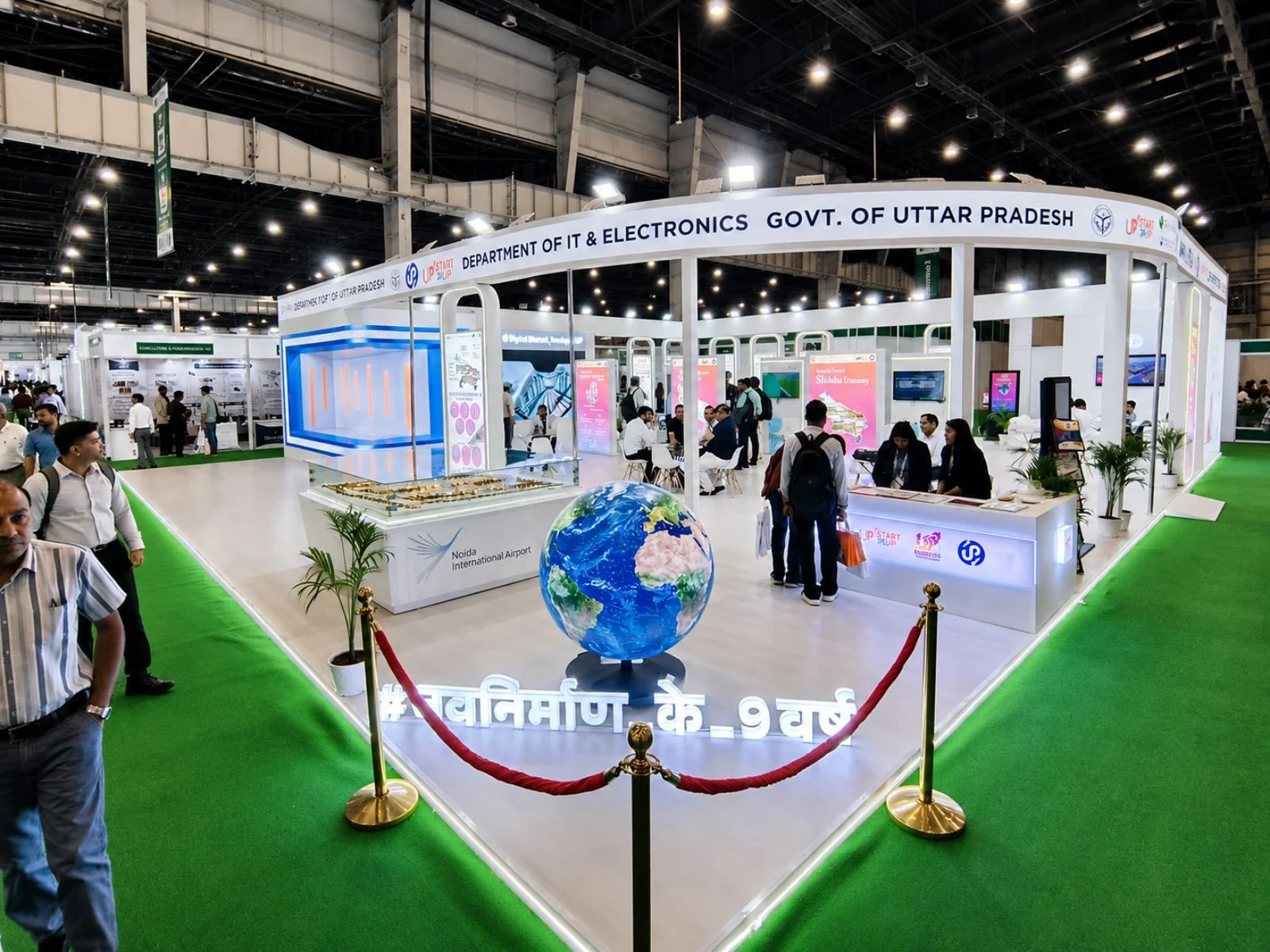
Materials Used in Exhibition Booth Fabrication
The materials used for a booth depend on the structure, finish, budget, event duration and design intent.
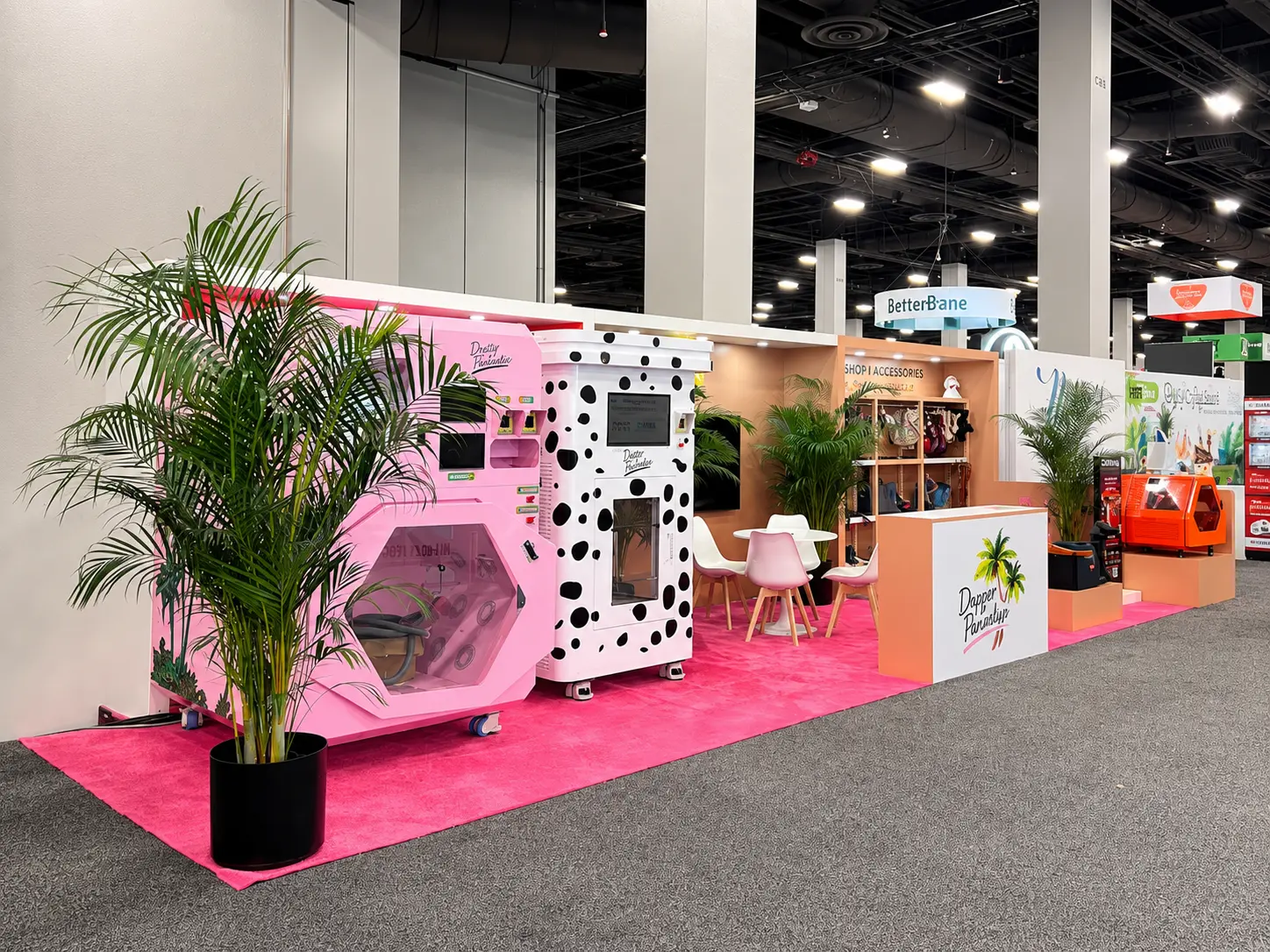
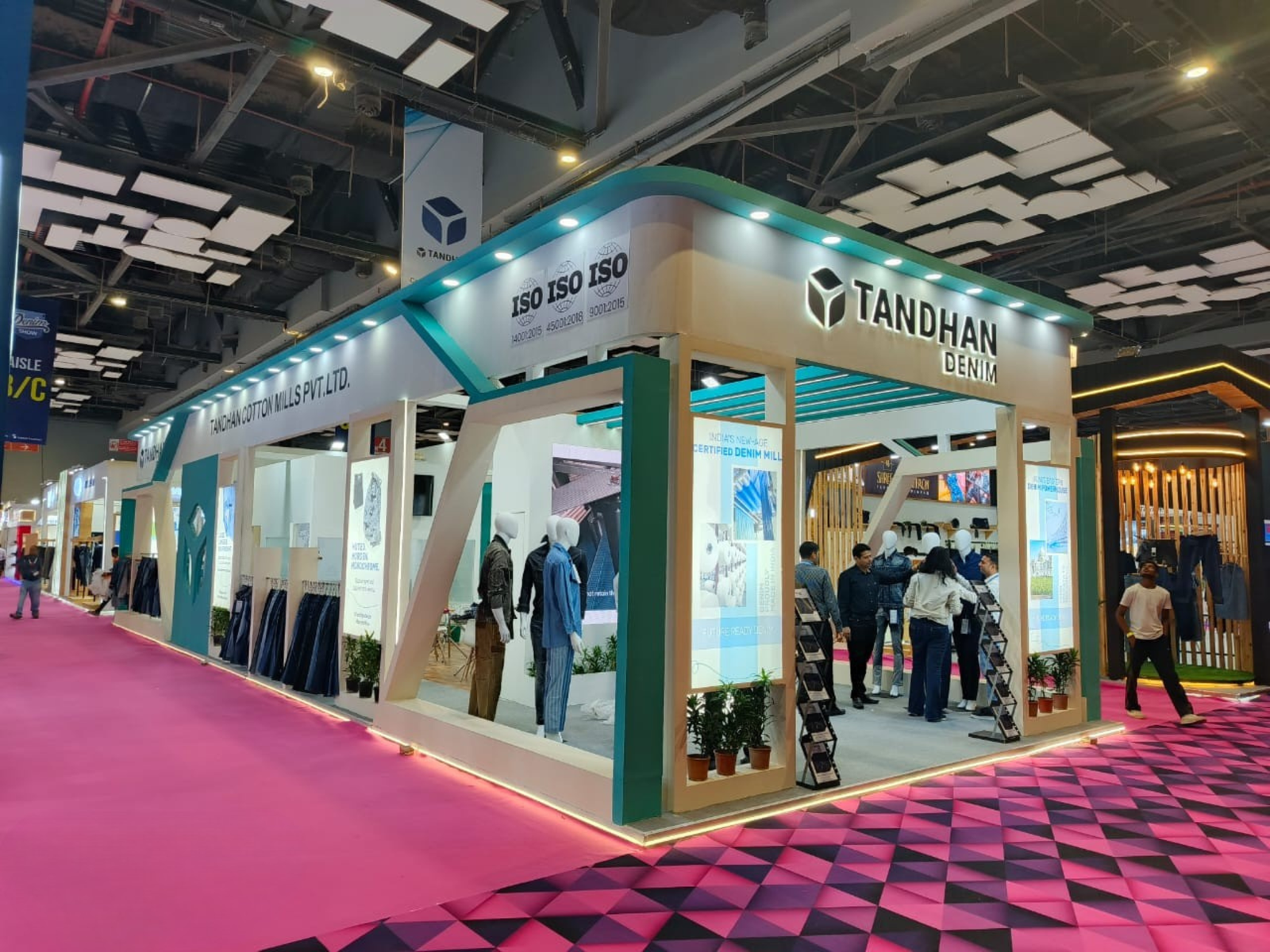
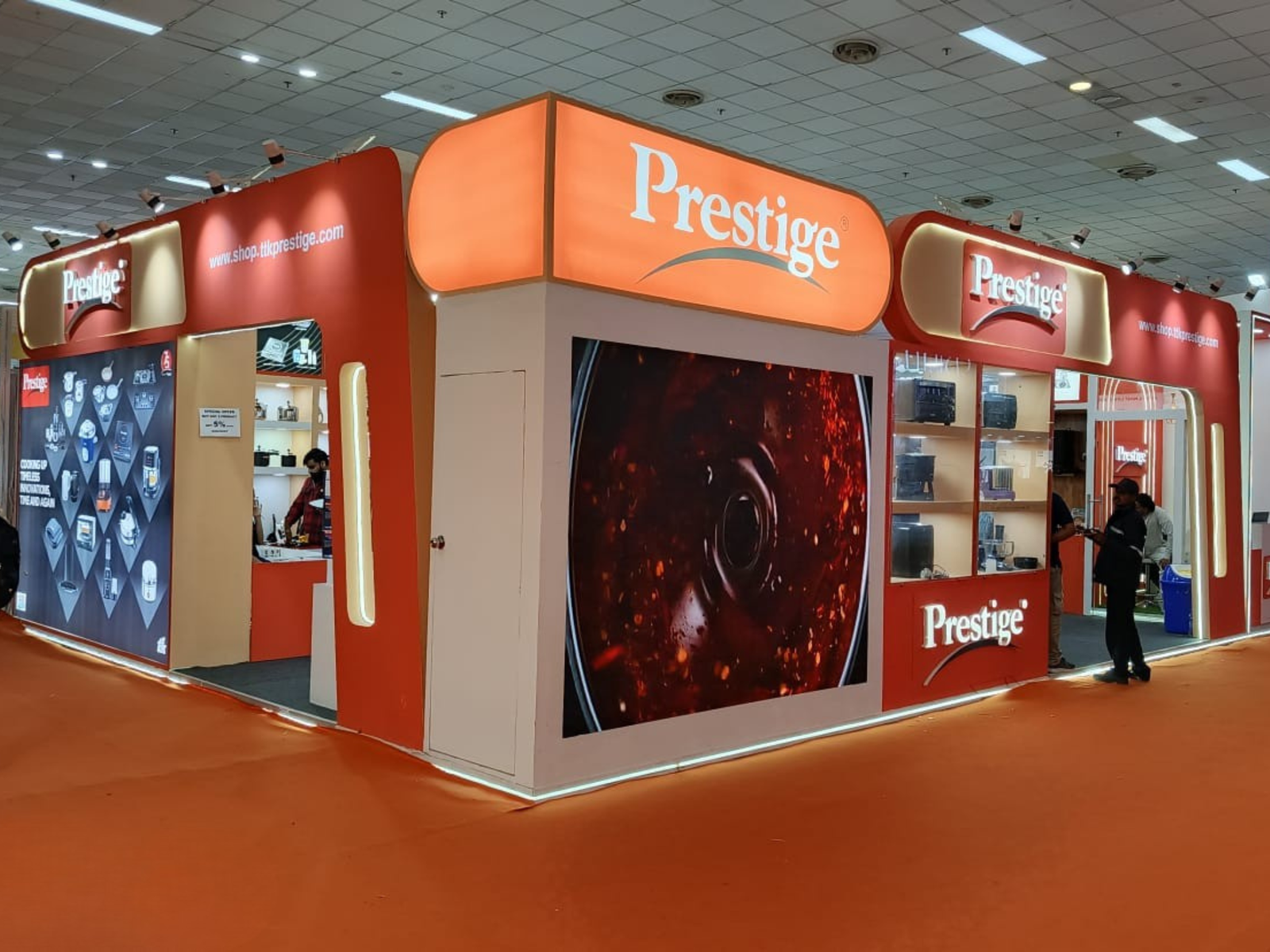
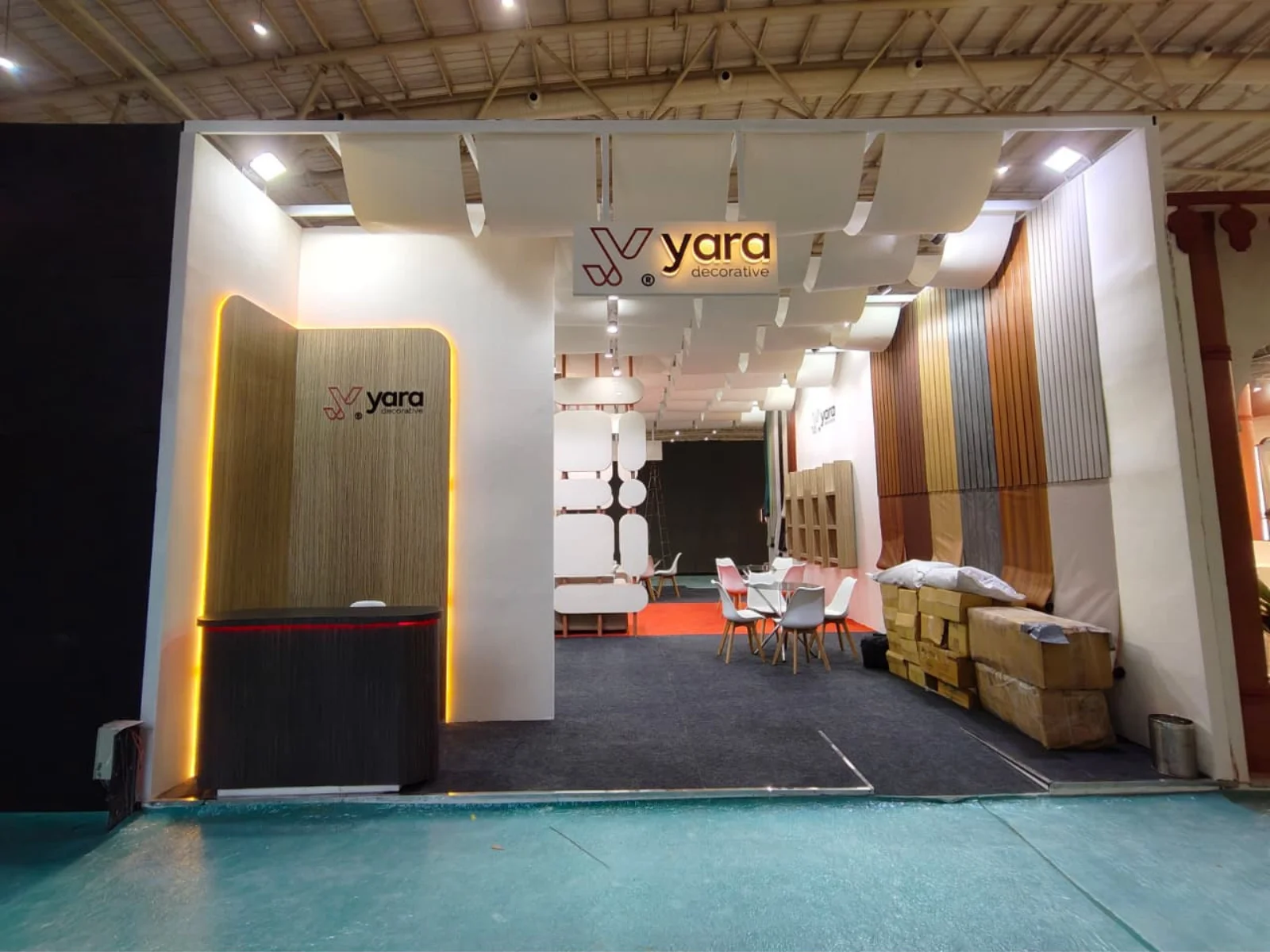
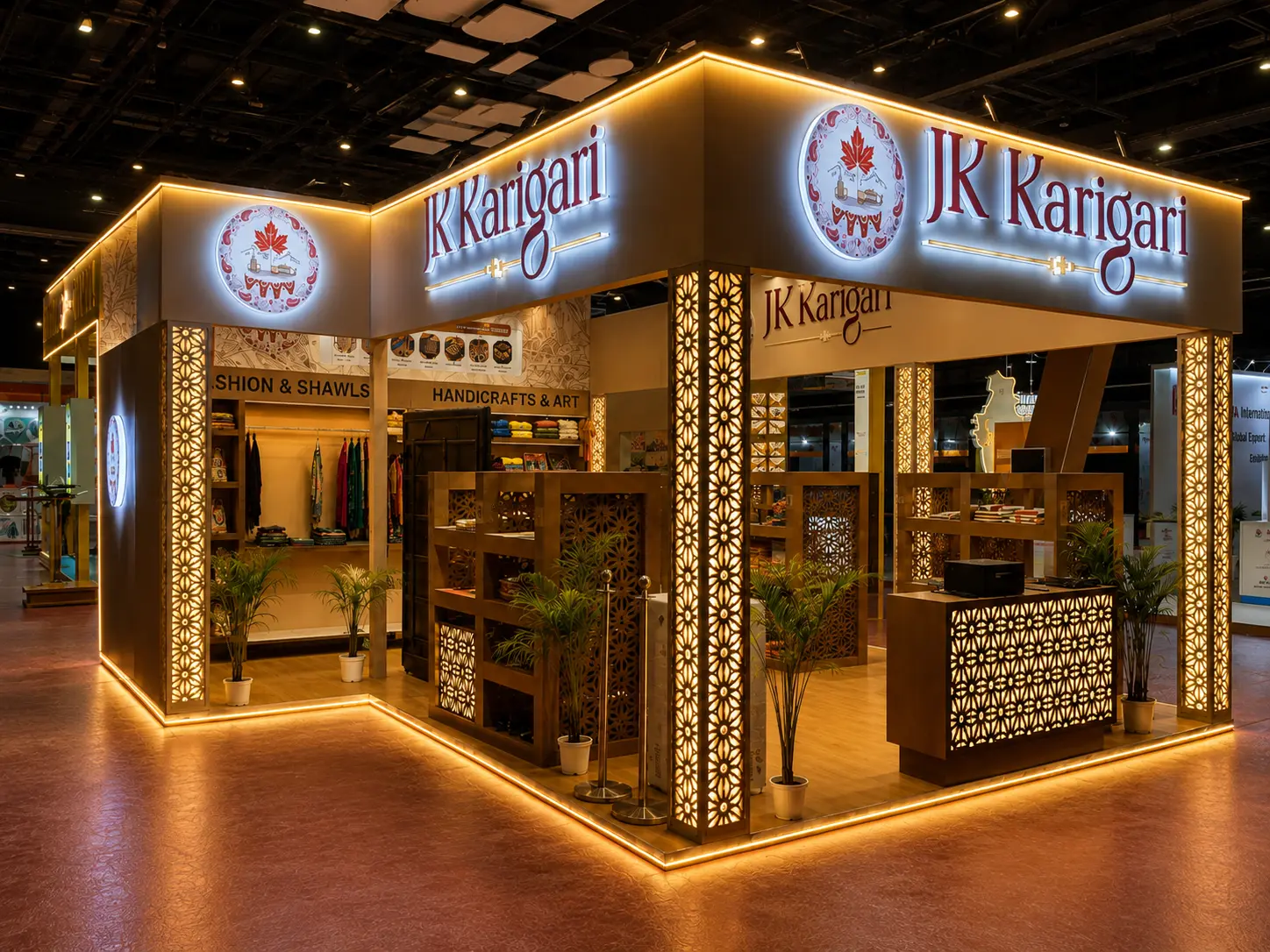
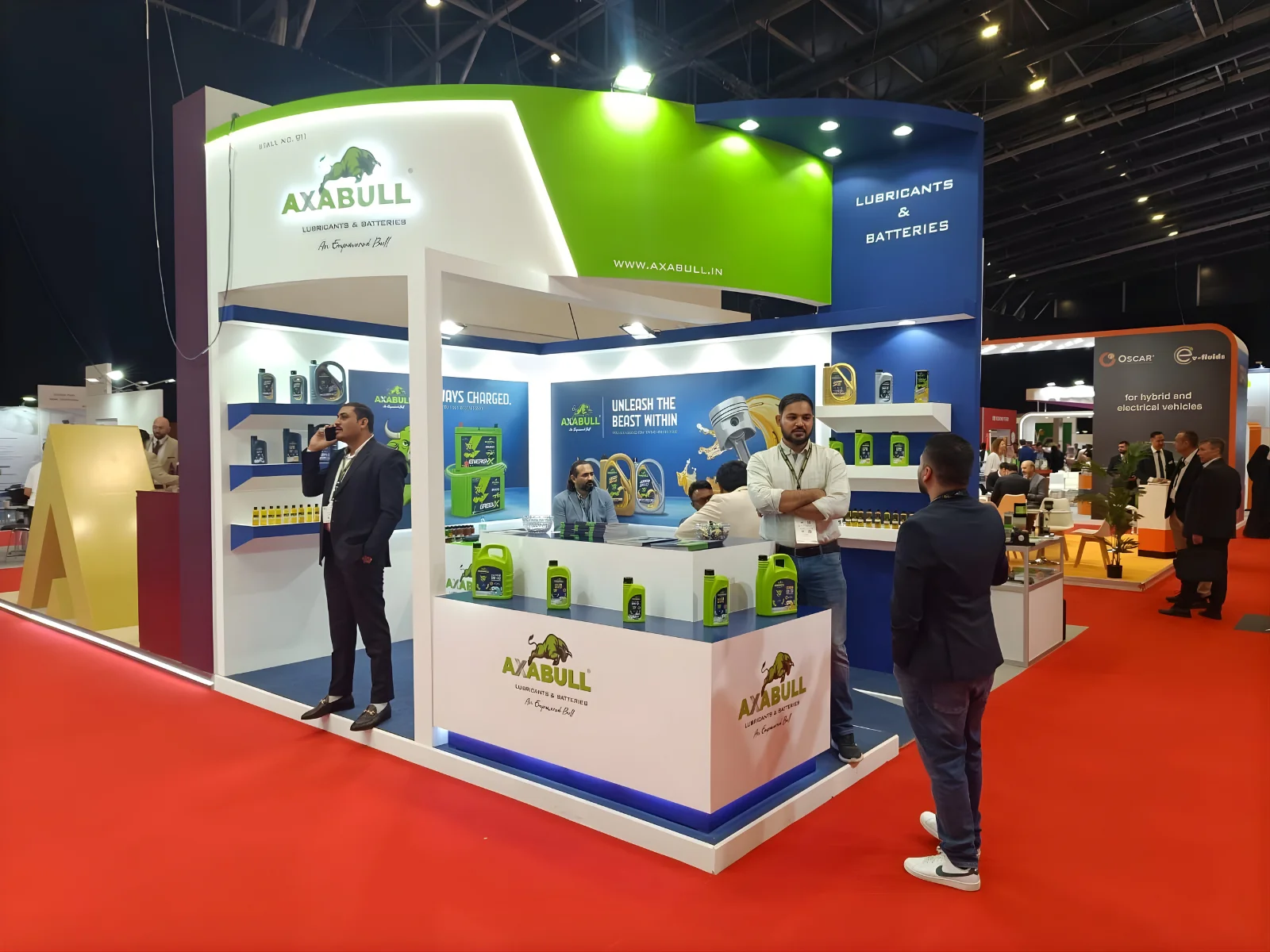
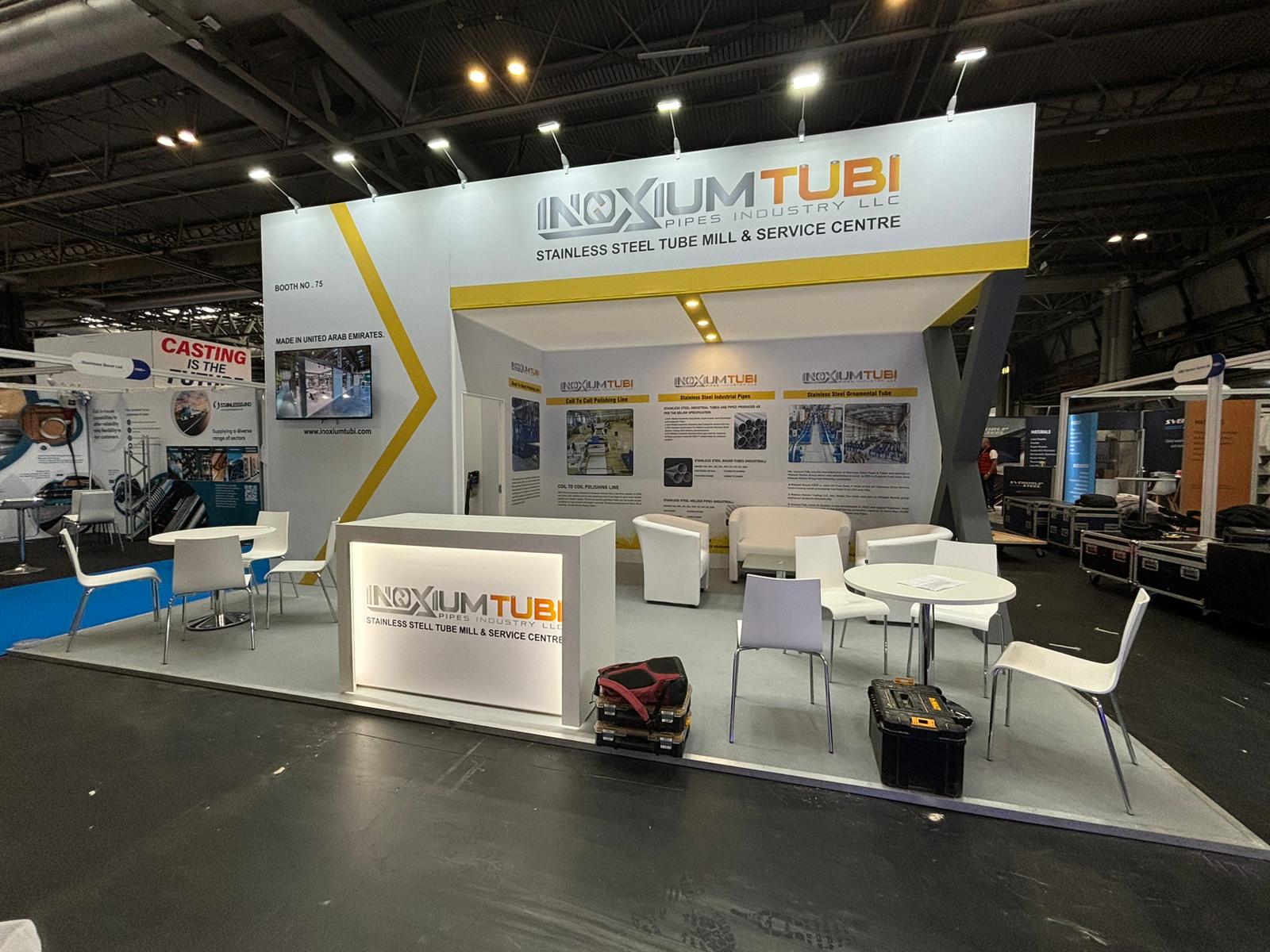
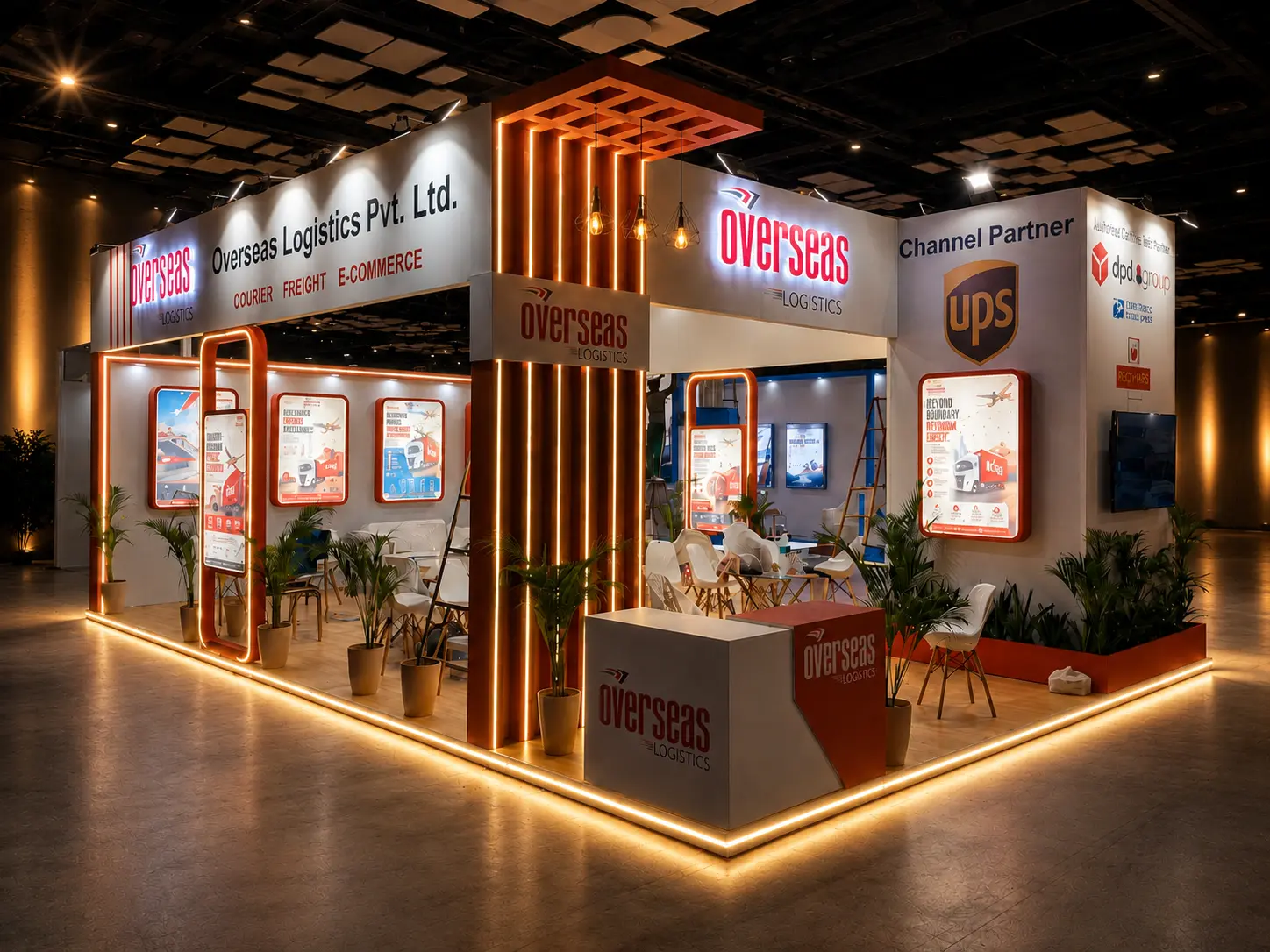
Wood-based fabrication is commonly used for custom walls, counters, storage, display units and branded architectural features. Metal may be required for frames, supports, suspended features or structures requiring additional strength.
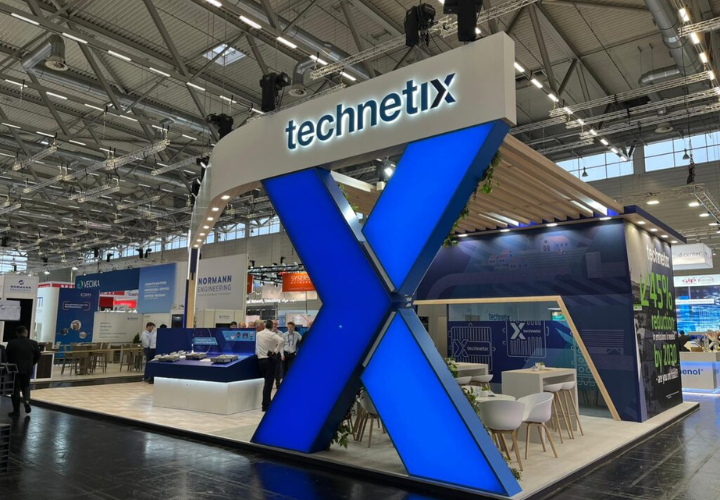
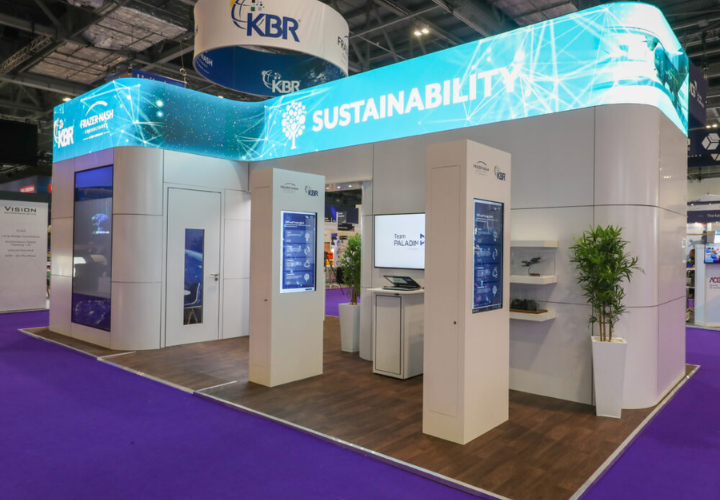
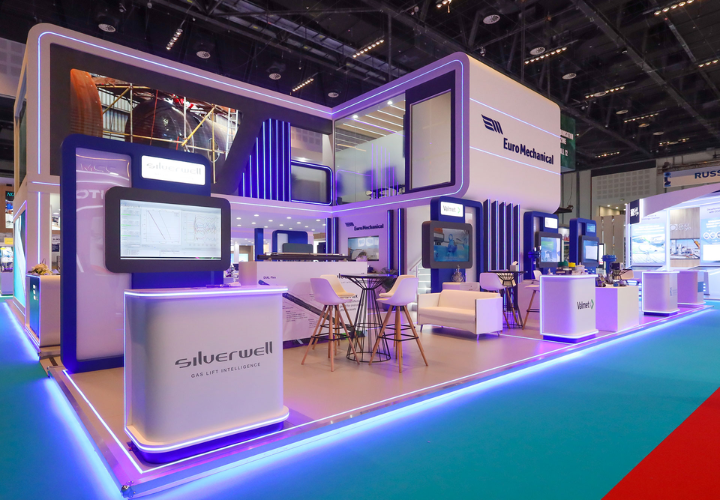
Other elements can include laminates, acrylic, glass, fabric graphics, vinyl branding, carpet, raised flooring, LED lighting and digital display systems.
Material selection should balance appearance with installation practicality.
For international projects, packing, transportation and reuse can also influence the materials and construction method selected for the stand.
Our Booth Fabrication Process: From Approved Design to Show Floor
A structured fabrication process helps prevent production errors and last-minute venue problems.
The project begins with a technical review of the approved design, stand dimensions and organiser requirements. Production drawings are then prepared or reviewed so the fabrication team understands how walls, counters, flooring, storage, lighting and structural elements will be built.
Materials are prepared according to the approved specifications before carpentry, metalwork and custom component production begins.
The booth then moves through finishing, painting, laminate work, graphics and other visual details required by the design.
Where required, key structures are pre-assembled in the workshop. This allows the team to check dimensions, fit, branding positions and overall finish before packing.
After quality control, fabricated components are labelled and prepared for transportation.
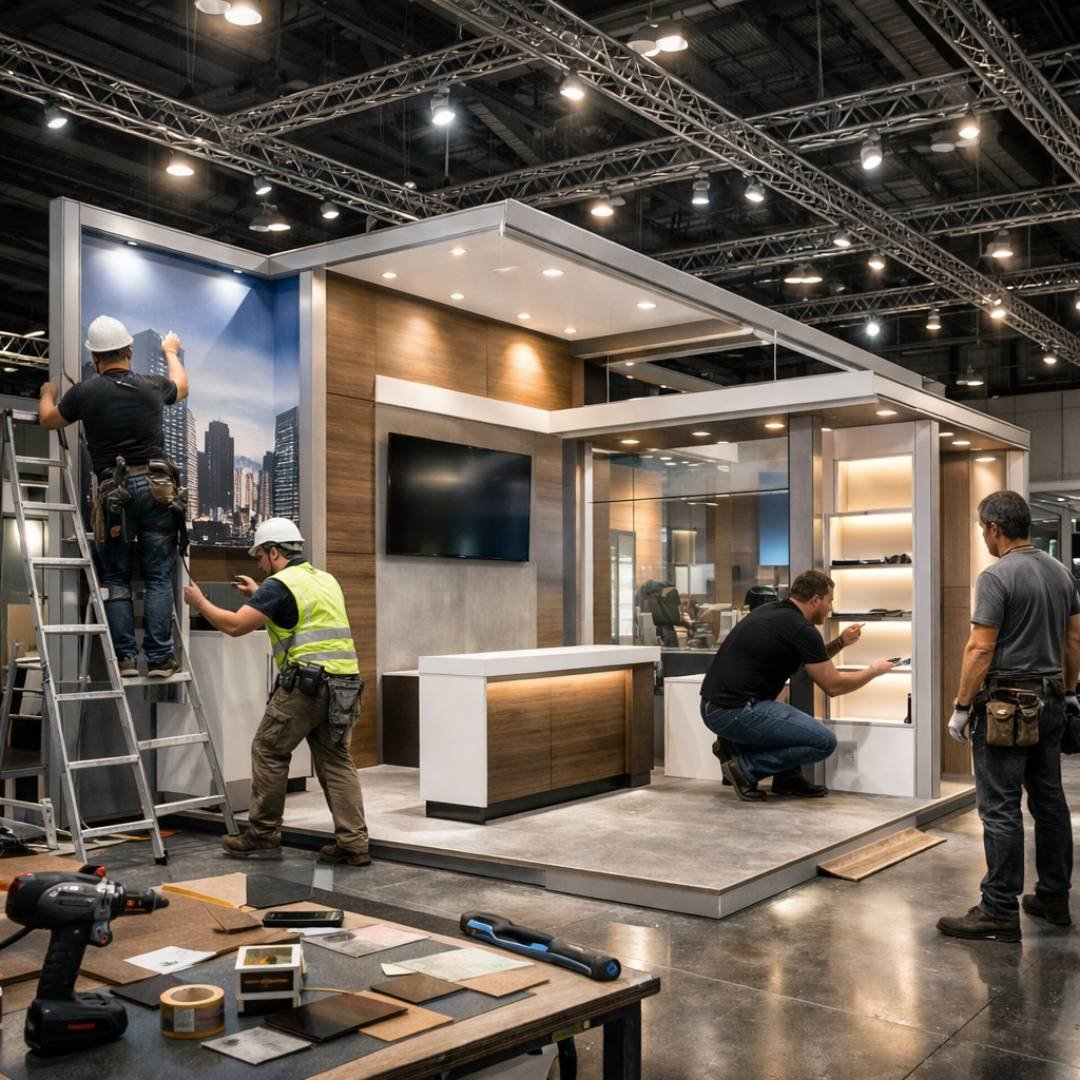
The final stage covers venue delivery and installation, where the production pieces are assembled into the completed exhibition stand.
This approach keeps design, fabrication and installation connected rather than treating them as unrelated stages.